Case Study: Successful Large-Scale Mold Remediation in a Schenectady School
When a Schenectady school faced a widespread mold outbreak in its aging infrastructure, our team was called in to assess, contain, and remediate the issue safely and efficiently. This case study breaks down the challenges, solutions, and lessons learned from a project that required precision, compliance, and long-term prevention.
Initial Assessment and Mold Inspection
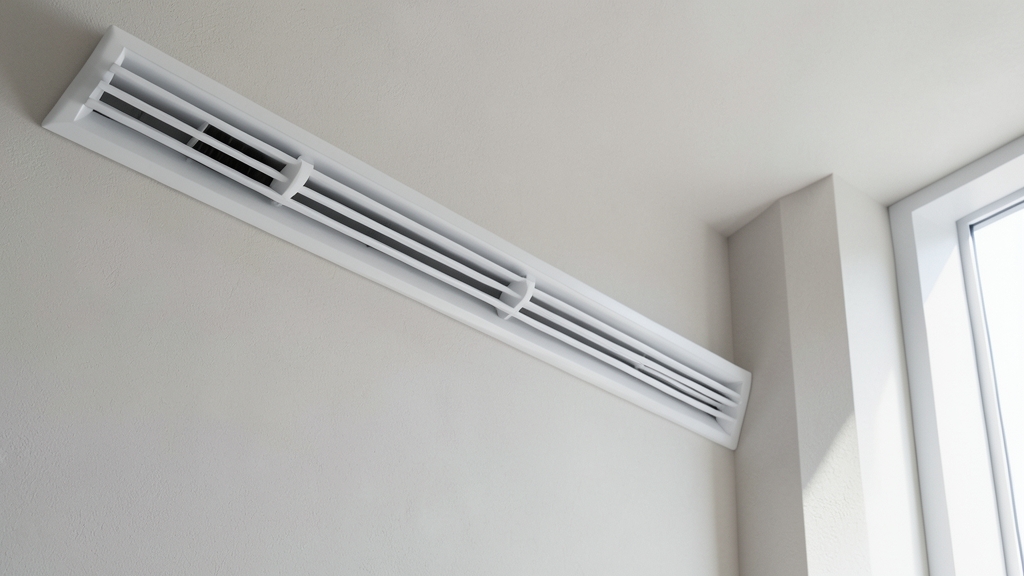
The project began with a thorough mold inspection and air quality testing across the school’s classrooms, gymnasium, and basement areas. Our team identified elevated spore counts in multiple zones, with the worst contamination in the basement and near HVAC intake vents.
Moisture mapping revealed chronic leaks in the roof and poor drainage around the foundation—classic issues in older Capital Region buildings. These conditions had allowed mold to colonize drywall, ceiling tiles, and insulation over time.
Containment and Safety Protocols
Before remediation, we established critical barriers using 6-mil polyethylene sheeting and negative air pressure machines. This prevented spores from migrating to clean areas during demolition and cleaning.
All personnel wore full PPE, including N95 respirators and Tyvek suits, to protect against exposure. Air scrubbers with HEPA filters ran continuously to capture airborne contaminants.
Improper containment can spread mold spores to previously unaffected areas. Never attempt large-scale remediation without professional-grade equipment and training.
Demolition and Removal of Contaminated Materials
We removed all porous materials—drywall, carpeting, and ceiling tiles—that showed visible mold growth or moisture damage. These were double-bagged and disposed of according to New York State regulations for hazardous waste.
Non-porous surfaces like concrete and metal were cleaned using HEPA vacuuming followed by antimicrobial treatments. This step is critical to prevent regrowth after remediation.
Remediation Techniques: Cleaning vs. Encapsulation
For structural elements that couldn’t be removed, such as wooden beams in the attic, we used encapsulation. This involves sealing the surface with a mold-resistant coating after thorough cleaning.
In areas like the gymnasium, where mold was superficial, we opted for deep cleaning with biocides. The choice between removal, cleaning, or encapsulation depends on the material, extent of contamination, and future moisture risks.
| Material | Recommended Action | Why |
|---|---|---|
| Drywall | Remove and replace | Porous; mold penetrates deeply |
| Concrete | HEPA vacuum + antimicrobial | Non-porous; can be cleaned |
| Wood (structural) | Encapsulation after cleaning | Preserves integrity if mold is surface-level |
| Carpeting | Remove and replace | Porous; harbors spores |
| Metal (HVAC ducts) | HEPA vacuum + antimicrobial | Non-porous; prevents spore redistribution |
Addressing the Root Cause: Moisture Control
Mold remediation without moisture control is a temporary fix. In this school, we installed a commercial-grade dehumidification system in the basement and improved crawl space ventilation to prevent future humidity buildup.
Exterior repairs included regrading the soil around the foundation and fixing roof leaks. We also recommended regular HVAC maintenance to prevent condensation issues—a common problem in older buildings across Niskayuna and Rotterdam.
Monitor indoor humidity levels with a hygrometer. Keep levels below 50% to inhibit mold growth. Consider a smart system for large or commercial spaces.
Air Quality Testing and Clearance
Post-remediation, we conducted follow-up air quality testing to ensure spore counts had returned to normal levels. Clearance testing is a non-negotiable step for commercial and school environments, where occupant health is paramount.
The school received a clean bill of health, but we advised ongoing monitoring, especially in high-risk areas like basements and attics. Proactive mold inspections can catch issues early in Scotia, Colonie, and Albany schools with similar aging infrastructure.
Challenges and Lessons Learned
One major challenge was working around the school’s schedule. Remediation had to be completed during summer break to avoid disrupting classes, which required meticulous planning and accelerated timelines.
We also encountered hidden mold behind walls in the attic, discovered during demolition. This underscores the importance of invasive testing in older buildings, where mold often lurks out of sight.
How to Prepare Your Property for Professional Mold Remediation
Taking these steps before our team arrives can streamline the process and reduce costs.
- 1Clear the Affected Area
Remove furniture, decorations, and personal items from the space. This allows unrestricted access for containment and demolition.
- 2Turn Off HVAC Systems
Shut down heating and cooling to prevent spores from spreading through ductwork. This is critical in commercial and school settings.
- 3Identify Moisture Sources
Note any leaks, condensation, or water damage. Share this information with our team to help us address the root cause.
- 4Secure Pets and Sensitive Individuals
Keep pets, children, and anyone with respiratory issues away from the work area during remediation.
- 5Provide Access to Water and Power
Our equipment, like dehumidifiers and air scrubbers, requires reliable power and, in some cases, water access for cleanup.
Frequently Asked Questions
How long does large-scale mold remediation take in a commercial building like a school?
The timeline depends on the size of the affected area, the extent of contamination, and the materials involved. For a school, it typically ranges from 2 to 4 weeks, including containment, demolition, cleaning, and clearance testing.
Is it safe for students and staff to return immediately after remediation?
No. Clearance testing must confirm that air quality meets safety standards before reoccupying the space. This usually takes 24-48 hours after remediation is complete.
Can mold return after professional remediation?
Yes, if the underlying moisture issue isn’t addressed. That’s why we emphasize moisture control, repairs, and ongoing monitoring as part of our remediation process in Schenectady and surrounding areas like Niskayuna and Rotterdam.
What’s the difference between mold removal and mold remediation?
Mold removal refers to physically eliminating mold from surfaces, while remediation includes removal, cleaning, containment, and addressing the root cause to prevent recurrence. Remediation is the comprehensive solution required for large or recurring mold problems.
Do you handle mold in crawl spaces and attics for residential properties too?
Yes, our team specializes in crawl space and attic mold remediation for homes in Schenectady, Scotia, Colonie, and beyond. These areas are high-risk due to poor ventilation and moisture buildup.
How do I know if my property needs professional mold remediation or just a simple cleanup?
If mold covers an area larger than 10 square feet, is in your HVAC system, or keeps returning after cleaning, it’s time to call professionals. We offer mold inspections and air quality testing to assess the situation accurately.