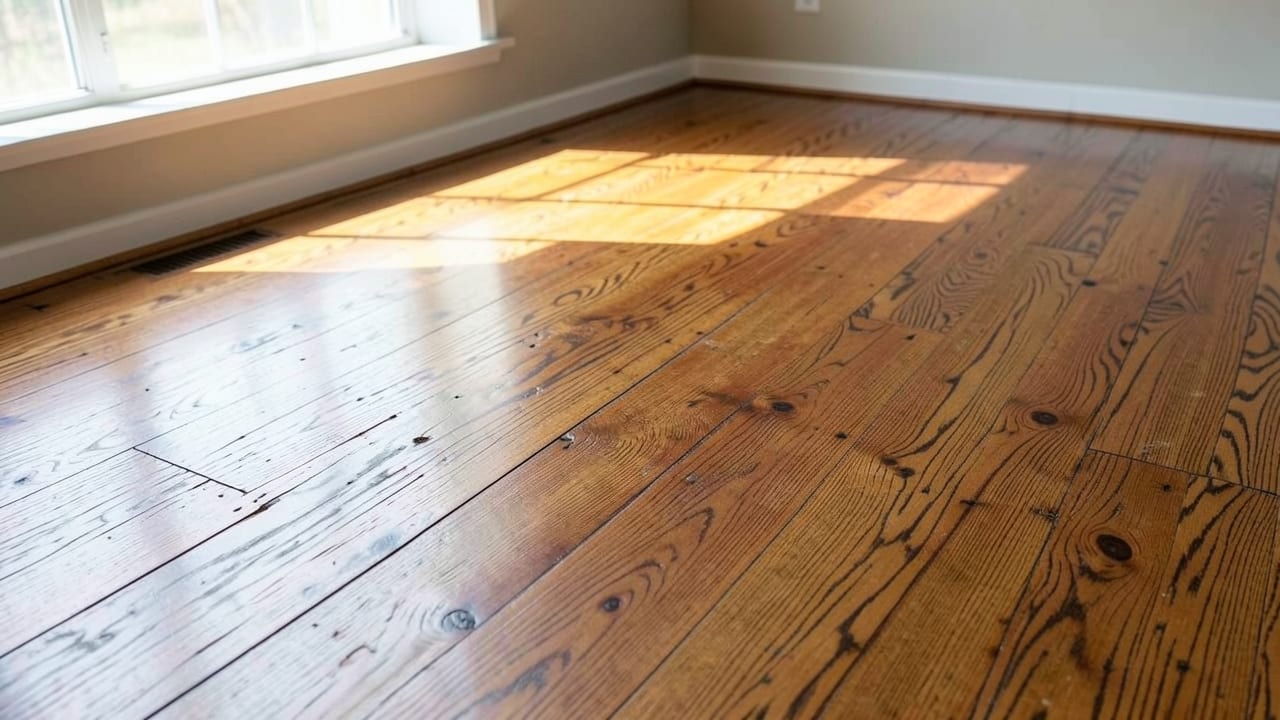
Water Damage Restoration
Water damage restoration in Schenectady, NY — extraction and structural drying to stop mold growth before it starts, following a leak, storm, or flood.
In Schenectady, NY, rapid water damage restoration is critical to prevent mold, which can begin growing within 24-48 hours of water exposure. Our team extracts standing water, dries structures thoroughly, and monitors moisture levels to ensure your home is safe and dry.
Why Speed Matters in Schenectady
Schenectady’s humid summers and older housing stock with damp basements create ideal conditions for mold growth after water damage. Without fast action, trapped moisture in walls or subfloors can feed mold long after surfaces appear dry.
We also handle Garage Mold Removal and Laundry Room Mold Cleanup for Schenectady properties.
Professional drying equipment—industrial air movers and dehumidifiers—targets hidden moisture in framing, wall cavities, and subfloors. Daily moisture meter readings confirm progress until levels return to normal baselines.
What to Expect During Restoration
Our process starts with water extraction to remove standing water. Then, we deploy high-powered drying equipment to address moisture in structural materials, not just surfaces.
Signs You Need Water Damage Restoration
- Visible water stains or discoloration on walls, ceilings, or floors
- Musty odors, especially in basements or enclosed spaces
- Peeling paint, warped flooring, or bubbling wallpaper
- Increased humidity or condensation in affected areas
How Water Damage Restoration Works
We follow a proven process to extract water, dry structures, and prevent mold growth.
- 1
Standing water is removed immediately using powerful pumps and vacuums to prevent further damage and reduce drying time.
- 2Structural Drying
Industrial air movers and dehumidifiers are placed to dry framing, subfloors, and wall cavities, targeting hidden moisture.
- 3Moisture Monitoring
Daily moisture meter readings track progress until all affected areas return to normal baseline levels, ensuring the job is complete.
- 4Documentation and Reporting
Photo documentation and a written moisture-mapping report are provided for insurance claims, detailing the extent of damage and drying progress.
Frequently Asked Questions
How quickly should I call after water damage?
Call as soon as it’s safe. Mold can begin growing within 24-48 hours, so faster response reduces the risk of long-term damage and higher costs.
Does my Schenectady home’s age affect drying time?
Yes. Older homes with damp basements or poor ventilation dry more slowly, increasing mold risk. Professional equipment and monitoring are critical.
How is pricing determined?
Pricing depends on the extent of water intrusion, the size of the affected area, and the drying time required. A detailed assessment provides an accurate estimate.
How do I know the restoration is complete?
Moisture meters confirm that readings have returned to normal baselines throughout the structure. Visual checks alone aren’t enough—hidden moisture can still cause problems.
See Menands, NY for more, or find out about what's included in our Schenectady service on a single page for our complete lineup.
Ready to get started?
Talk to a local mold remediation pro in Schenectady — get a written quote.
Other Mold Remediation Services in Schenectady
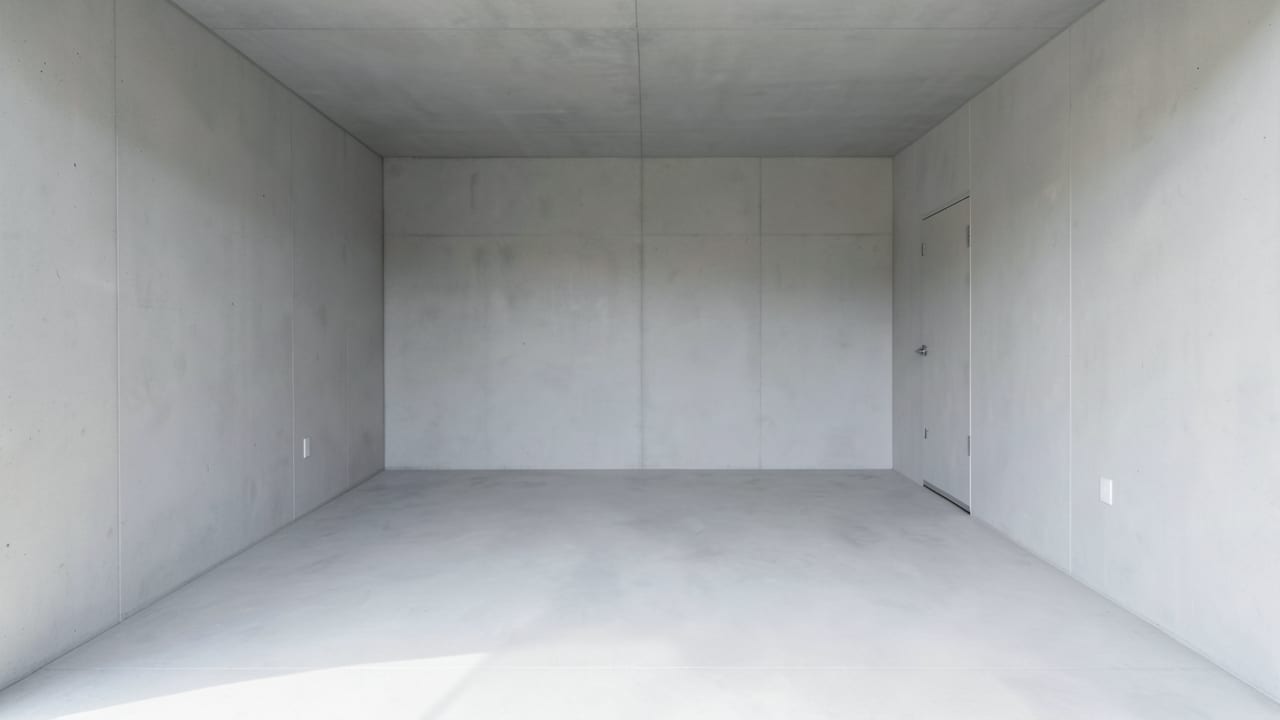
Garage Mold Removal in Schenectady, NY
Professional assessment and removal of mold growth in garages to restore a safe, clean space.
Learn More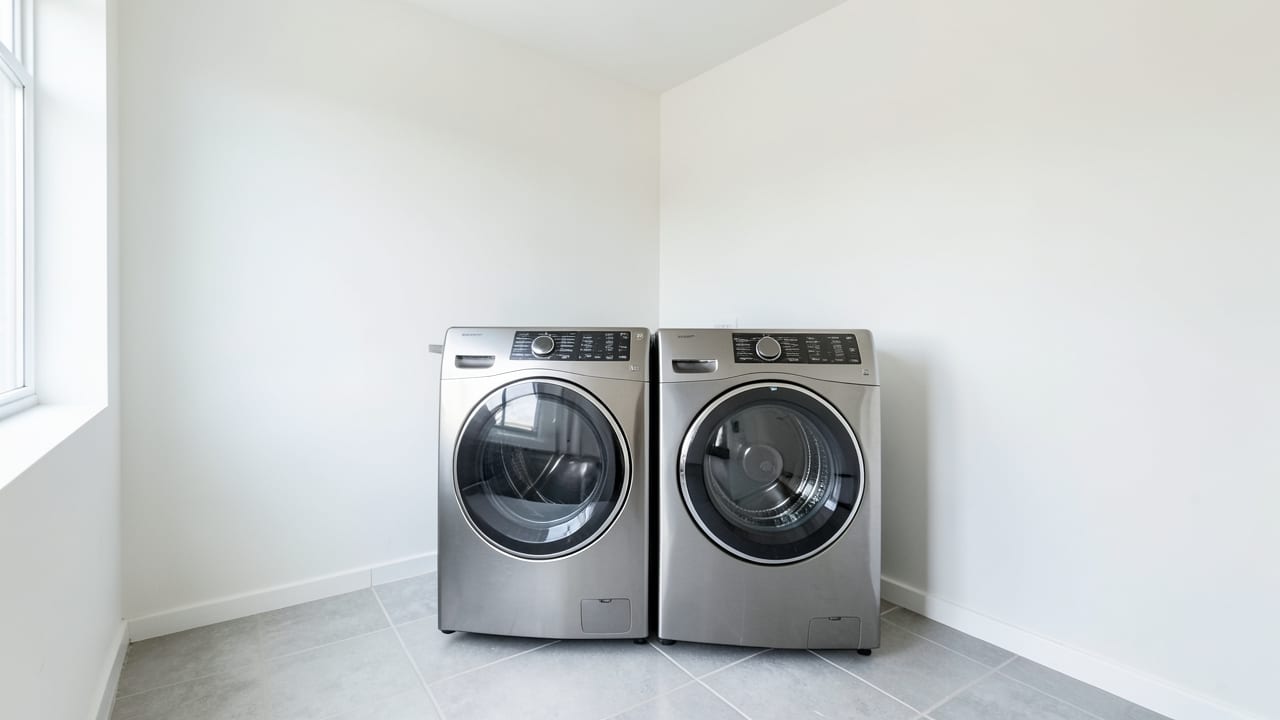
Laundry Room Mold Cleanup in Schenectady, NY
Professional mold removal and remediation in laundry rooms to restore a safe, clean space.
Learn More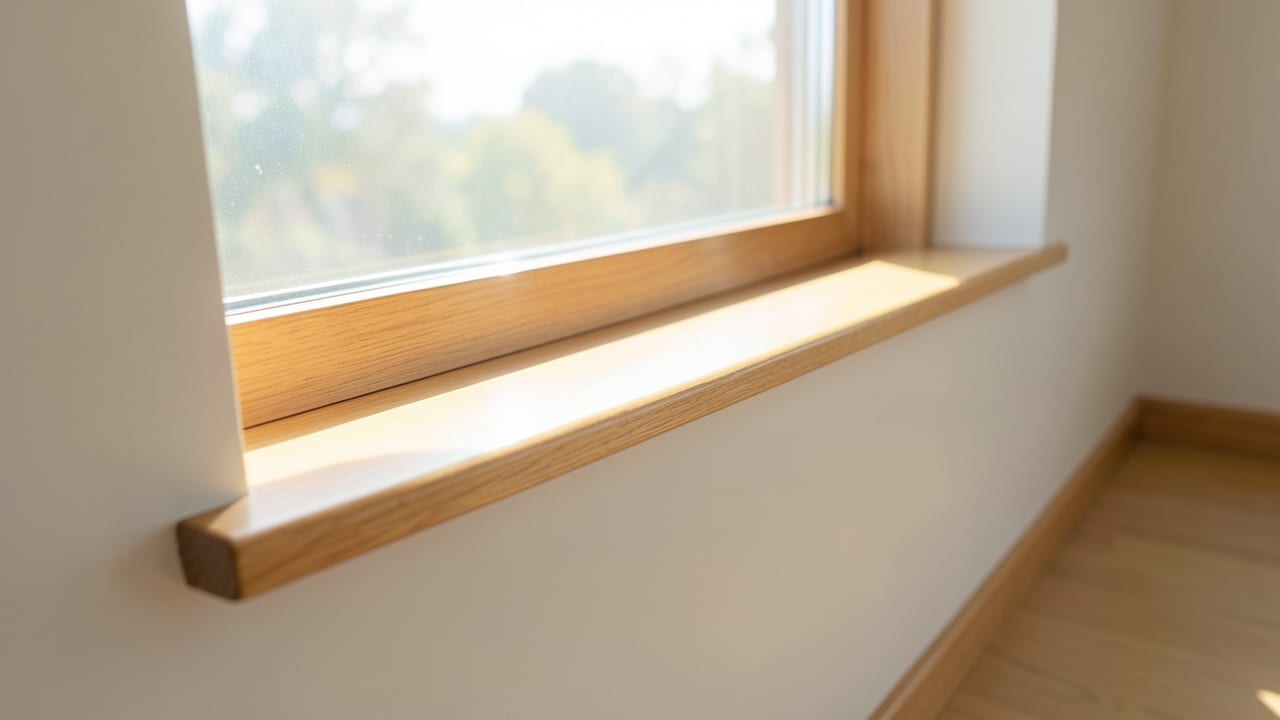
Window Sill Mold Cleanup in Schenectady, NY
Professional cleanup of mold growth on window sills to restore a healthy indoor environment.
Learn More
Flood Damage Mold Remediation in Schenectady, NY
Professional mold removal and remediation after flood damage in homes.
Learn More
Roof Leak Mold Remediation in Schenectady, NY
Professional removal of mold caused by roof leaks to restore a safe, healthy home environment.
Learn More
Apartment Mold Remediation in Schenectady, NY
Professional mold removal and remediation for apartments to restore safe living conditions.
Learn MoreCommon Questions About Mold Remediation in Schenectady
Everything you need to know about mold remediation services in Schenectady
How much does Water Damage Restoration typically cost in Schenectady, NY?
Why does Schenectady, NY's humidity make mold a bigger risk than in drier regions?
How long does a typical mold remediation job take?
Is it safe to stay in the home during mold remediation?
Can small mold problems be handled without hiring anyone?
What's the actual difference between mold removal and mold remediation?
Need Mold Remediation in Schenectady?
Connect with local providers in Schenectady for a detailed quote.
⏰ We answer your call • Serving all of Schenectady and surrounding areas