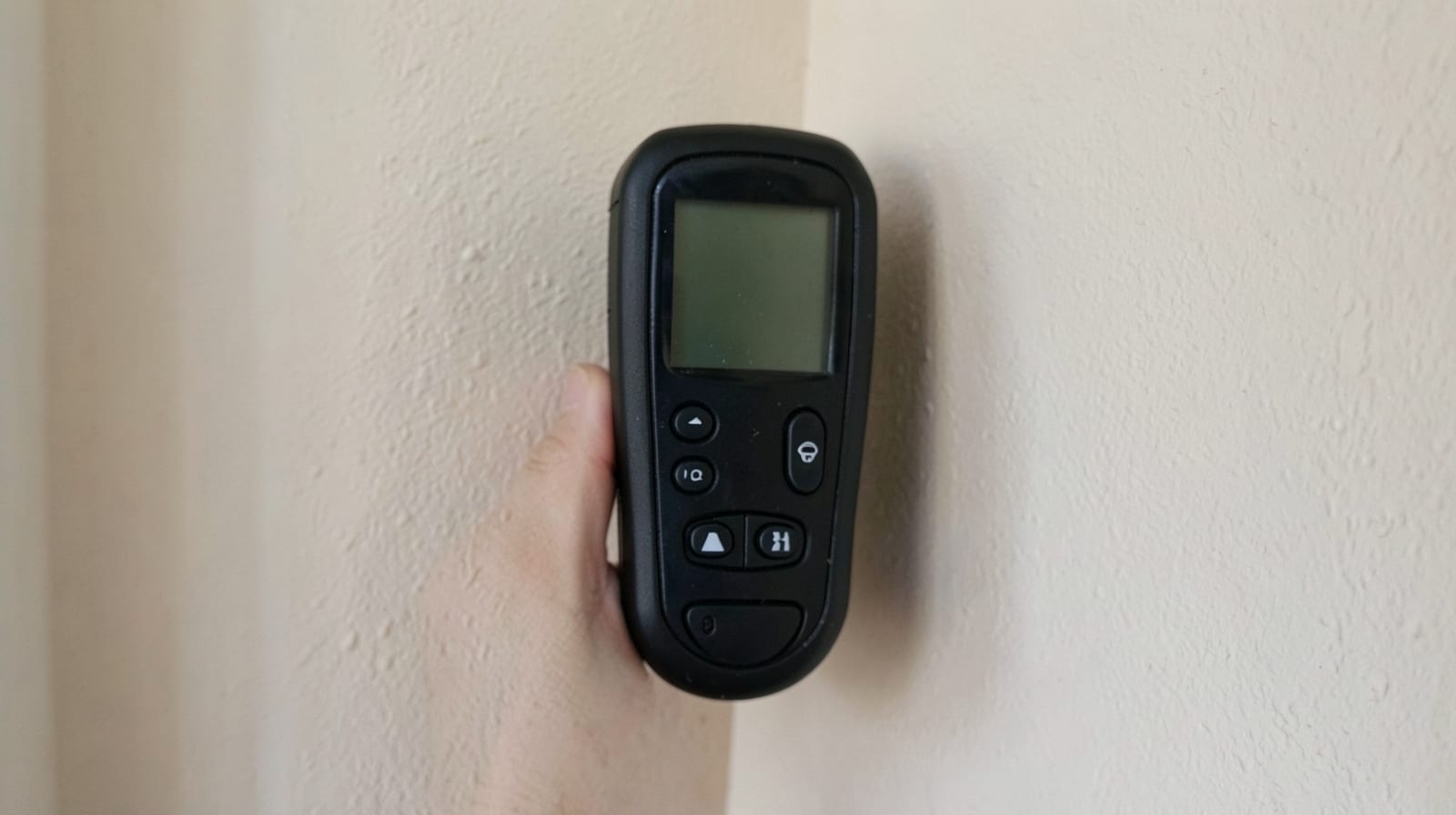
Mold Inspection
Mold inspection in Schenectady, NY — a visual and moisture-meter assessment that finds the source of growth, not just the visible spot on the wall.
In Schenectady, NY, professional mold inspections identify hidden growth, track its spread, and pinpoint moisture sources—critical in older homes with stone foundations that wick groundwater, especially during humid summers.
Why Schenectady Homes Need Mold Inspections
Schenectady’s four-season climate, with humid summers and damp basements, creates ideal conditions for mold. Older homes often have stone or block foundations that absorb groundwater, leading to hidden moisture in sill plates, basement walls, or finished spaces.
We also handle Crawl Space & Basement Mold Remediation and Attic Mold Remediation for Schenectady properties.
A proper inspection goes beyond visible signs, using moisture meters to detect elevated levels inside walls or under floors before mold becomes visible. This proactive approach catches problems before they spread.
Signs You Need a Mold Inspection
- Musty odor with no visible source
- Recent leak, flood, or water event
- Discoloration on walls, ceilings, or baseboards
- Unexplained damp smell in basements or crawl spaces
What Affects Mold Inspection Costs in Schenectady
Pricing for a mold inspection depends on your property’s size and the number of areas requiring checks. Larger homes or those with multiple high-risk zones (e.g., basements, crawl spaces, HVAC lines) may require more time and tools.
| Factor | Impact on Cost |
|---|---|
| Property Size | Larger homes = more areas to inspect |
| Number of High-Risk Areas | More zones = more time and tools |
| Accessibility | Hard-to-reach areas may require additional effort |
How Mold Inspection Works
A thorough mold inspection follows a structured process to uncover hidden issues.
- 1Visual Walkthrough
The inspector examines all areas of the property, including bathrooms, basements, crawl spaces, and around HVAC lines, even where no mold is visible.
- 2Moisture Meter Readings
Non-invasive moisture meters detect elevated levels inside walls, floors, or framing—often revealing hidden mold before it surfaces.
- 3High-Risk Area Check
Special attention is given to damp, poorly ventilated spaces common in Schenectady’s older homes, such as basements with stone foundations.
- 4Source Identification
The inspector pinpoints the moisture source feeding mold growth, whether it’s a leak, groundwater wicking, or humidity buildup.
Frequently Asked Questions
How long does a mold inspection take in Schenectady?
A typical inspection takes 1-2 hours, depending on the property size and number of areas checked. Larger or more complex homes may require additional time.
Can mold grow behind walls without visible signs?
Yes. Moisture meters detect elevated levels inside walls or under floors well before mold becomes visible on the surface.
What’s the most common cause of mold in Schenectady basements?
Older homes with stone or block foundations often wick groundwater moisture into basements, creating ideal conditions for mold growth, especially during humid summers.
Do I need an inspection if I only smell a musty odor?
Yes. A musty odor often indicates hidden mold growth, and an inspection can identify the source before it spreads or causes structural damage.
See Mechanicville, NY for more, or see what's included in our Schenectady service at a glance for our complete lineup.
Ready to get started?
Talk to a local mold remediation pro in Schenectady — get a written quote.
Other Mold Remediation Services in Schenectady
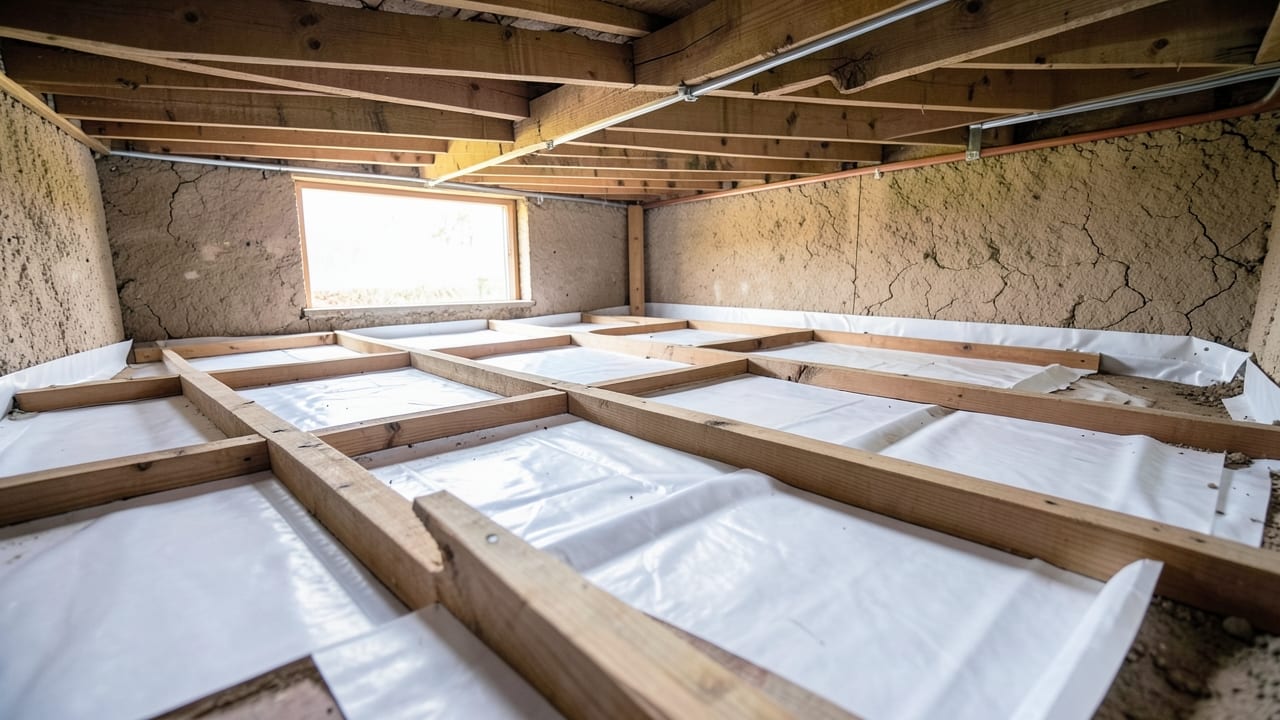
Crawl Space & Basement Mold Remediation in Schenectady, NY
Crawl space and basement mold remediation in Schenectady, NY addresses the two areas of a property most prone to trapped, unnoticed moisture.
Learn More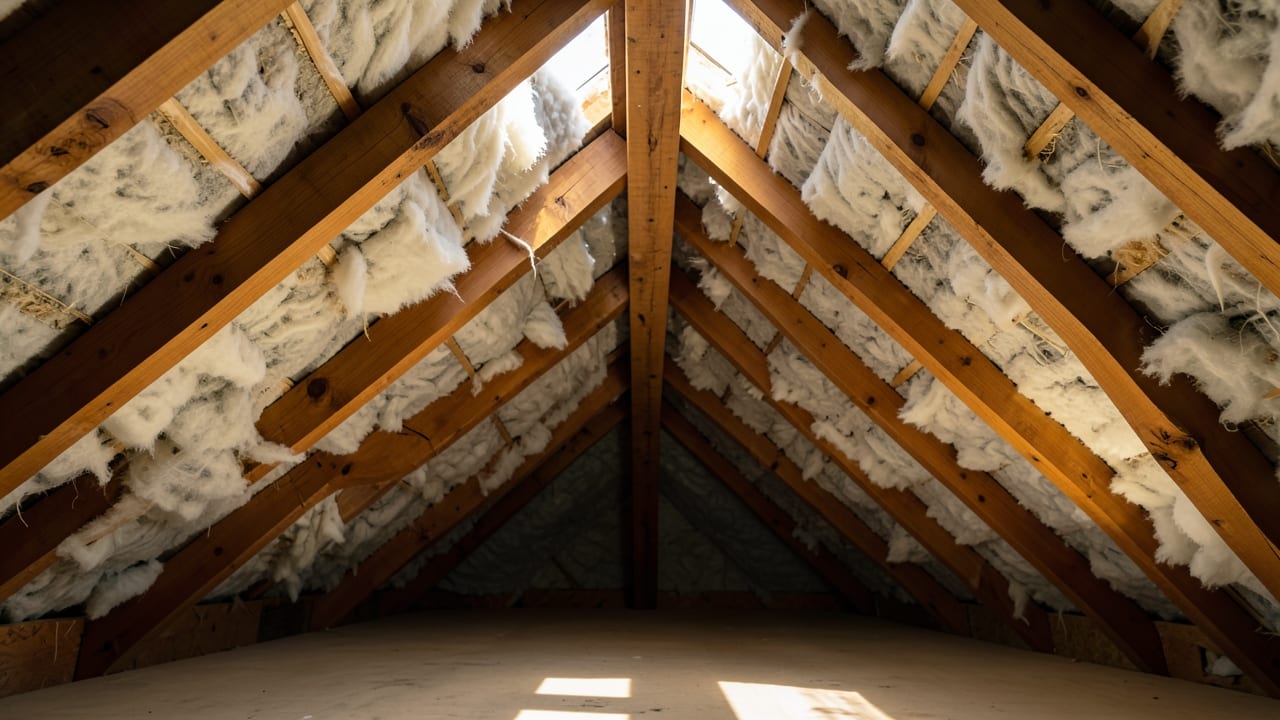
Attic Mold Remediation in Schenectady, NY
Attic mold remediation in Schenectady, NY addresses roof-deck growth typically caused by poor ventilation or a hidden roof leak.
Learn More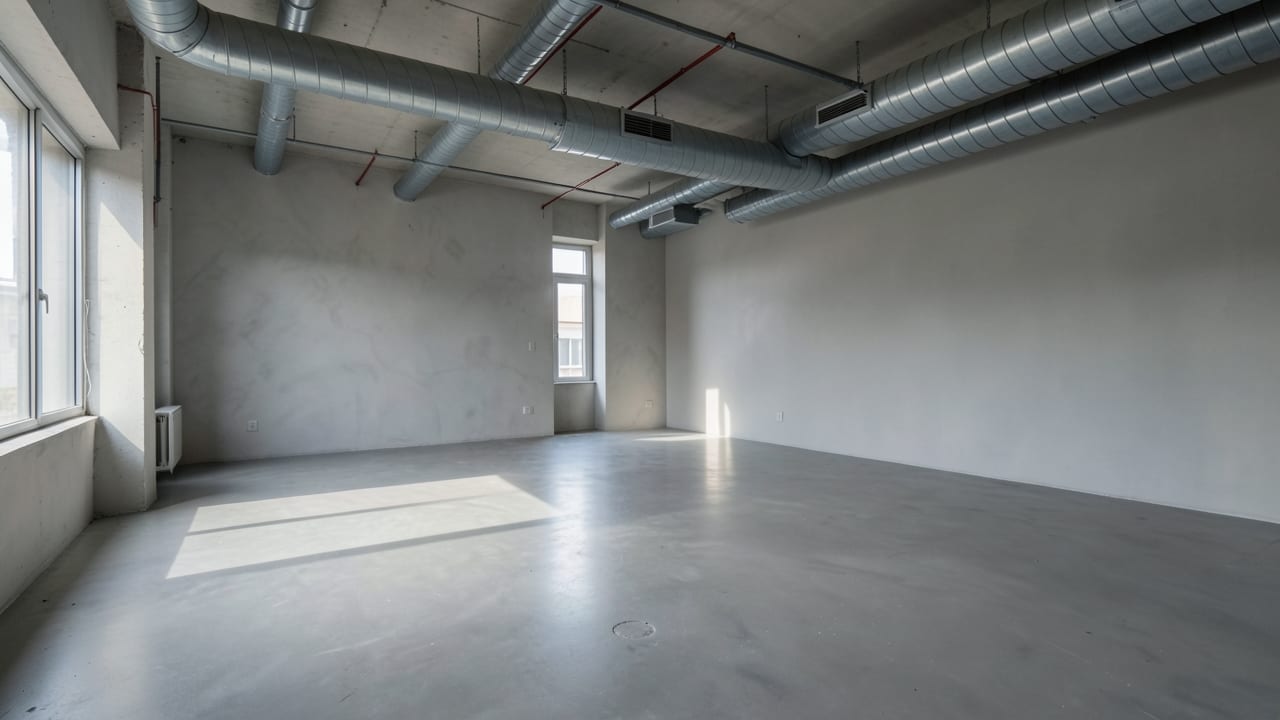
Commercial Mold Remediation in Schenectady, NY
Commercial mold inspection and remediation in Schenectady, NY for offices, retail space, and multi-unit properties, scheduled around business operations.
Learn More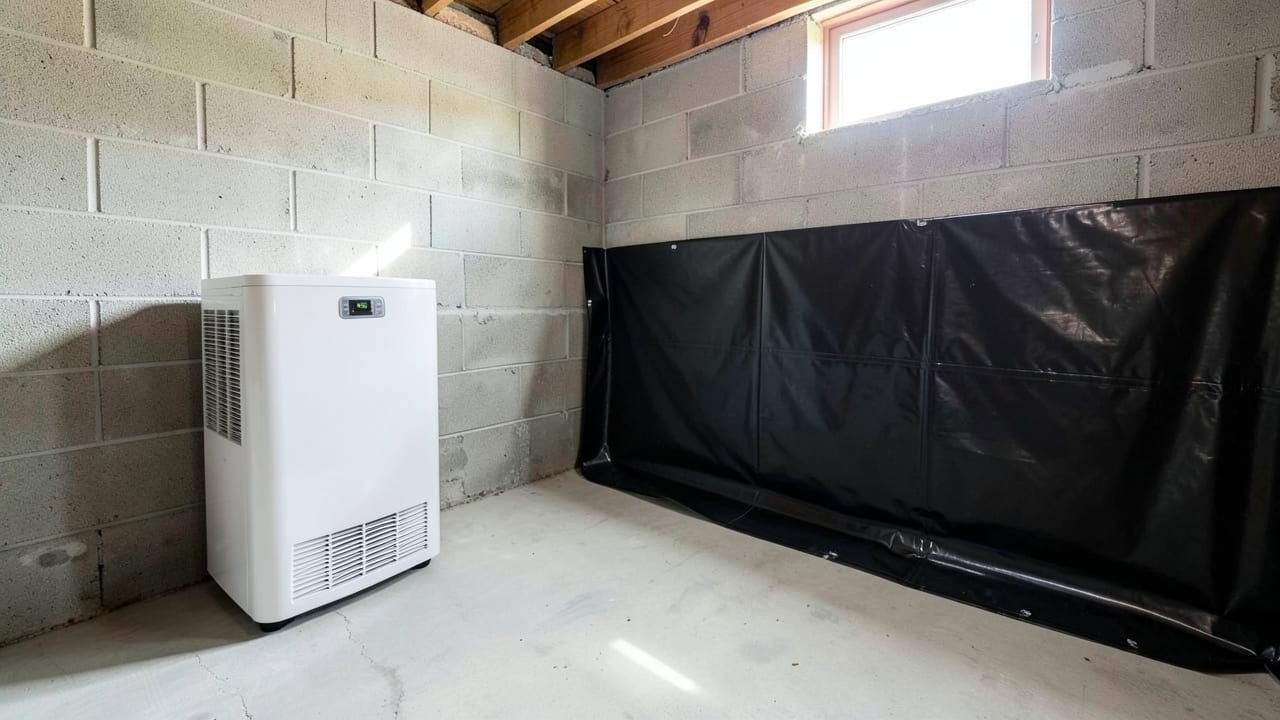
Mold Prevention & Moisture Control in Schenectady, NY
Mold prevention and moisture control in Schenectady, NY — addressing ventilation, humidity, and drainage before growth starts, not after.
Learn More
Mold & Asbestos Testing in Schenectady, NY
Combined mold and asbestos testing in Schenectady, NY — one inspection visit, lab-verified results for both.
Learn More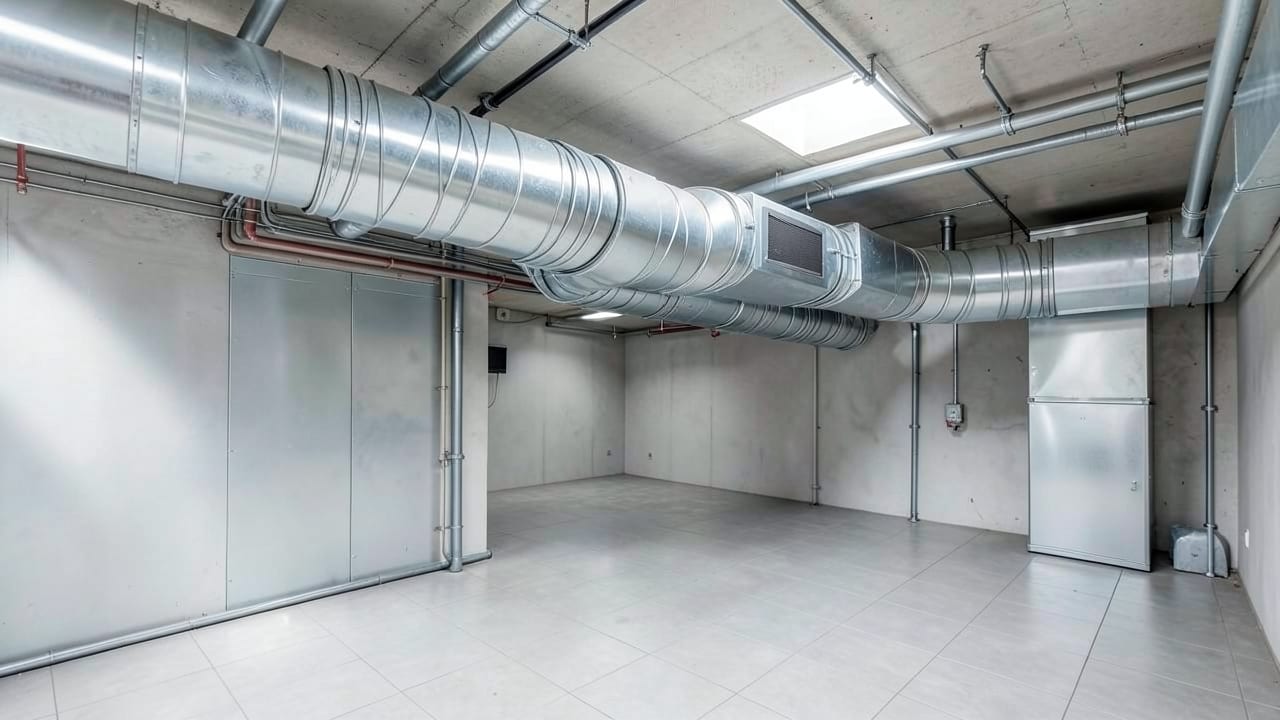
HVAC Mold Remediation in Schenectady, NY
HVAC and ductwork mold remediation in Schenectady, NY — mold growing inside the air handler or duct system, spreading through every vent.
Learn MoreCommon Questions About Mold Remediation in Schenectady
Everything you need to know about mold remediation services in Schenectady
How much does Mold Inspection typically cost in Schenectady, NY?
Why does Schenectady, NY's humidity make mold a bigger risk than in drier regions?
What's the actual difference between mold removal and mold remediation?
Is a final clearance test part of a typical mold remediation job?
How does mold remediation actually prevent the problem from coming back?
Can mold growing inside HVAC ductwork spread to the rest of a home?
Need Mold Remediation in Schenectady?
Connect with local providers in Schenectady for a detailed quote.
⏰ We answer your call • Serving all of Schenectady and surrounding areas