The Full Mold Remediation Process Explained for Schenectady Homeowners
Mold thrives in the damp, seasonal climate of upstate New York, and once it takes hold, it can spread quickly. We walk Schenectady homeowners through every step of professional mold remediation—from inspection to prevention—so you know exactly what to expect and why each phase matters for your family’s health and home integrity.
Why Mold Remediation Is Different From DIY Cleanup
Surface scrubbing or bleaching mold only removes what you see—it doesn’t address the spores hidden in walls, HVAC systems, or under flooring. Professional remediation targets the root cause: excess moisture and airborne spores that DIY methods miss.
In Schenectady, older homes in neighborhoods like Stockade or Bellevue often have hidden moisture issues in basements or attics. Without proper containment and filtration, disturbing mold can release spores into living spaces, worsening indoor air quality.
Disturbing mold without containment can release mycotoxins, triggering respiratory issues, allergies, or neurological symptoms. Always use PPE and professional-grade equipment.
Step 1: Mold Inspection and Testing
We start with a thorough visual inspection using moisture meters and thermal imaging to detect hidden mold in walls, crawl spaces, or behind insulation. This step identifies the species and extent of infestation.
Air quality testing captures spore counts to compare indoor levels against outdoor baselines. In areas like Niskayuna or Rotterdam, high humidity and poor ventilation often lead to elevated spore concentrations in basements and attics.
Step 2: Containment and Air Filtration
To prevent spores from spreading, we seal off the affected area with plastic sheeting and use negative air pressure. HEPA air scrubbers run continuously to capture airborne particles during remediation.
This step is critical in multi-level homes or shared buildings in Scotia or Colonie, where spores can travel through HVAC systems or stairwells to uncontaminated areas.
| Severity | Containment Type | Equipment Used |
|---|---|---|
| Minor (10 sq ft or less) | Local containment | Plastic sheeting, tape |
| Moderate (10-100 sq ft) | Full room containment | Plastic sheeting, negative air machine, HEPA air scrubber |
| Severe (100+ sq ft or HVAC contamination) | Full building containment | Double-layer sheeting, multiple air scrubbers, decontamination chamber |
Step 3: Mold Removal and Cleaning
Porous materials like drywall, carpet, or ceiling tiles often require removal and disposal if mold has penetrated deeply. Non-porous surfaces (glass, metal, hard plastic) can be cleaned with antimicrobial solutions.
In Schenectady’s older homes, plaster walls and wood framing may need specialized treatment. We use wire brushing, HEPA vacuuming, and EPA-registered biocides to ensure thorough decontamination.
Step 4: Drying and Moisture Control
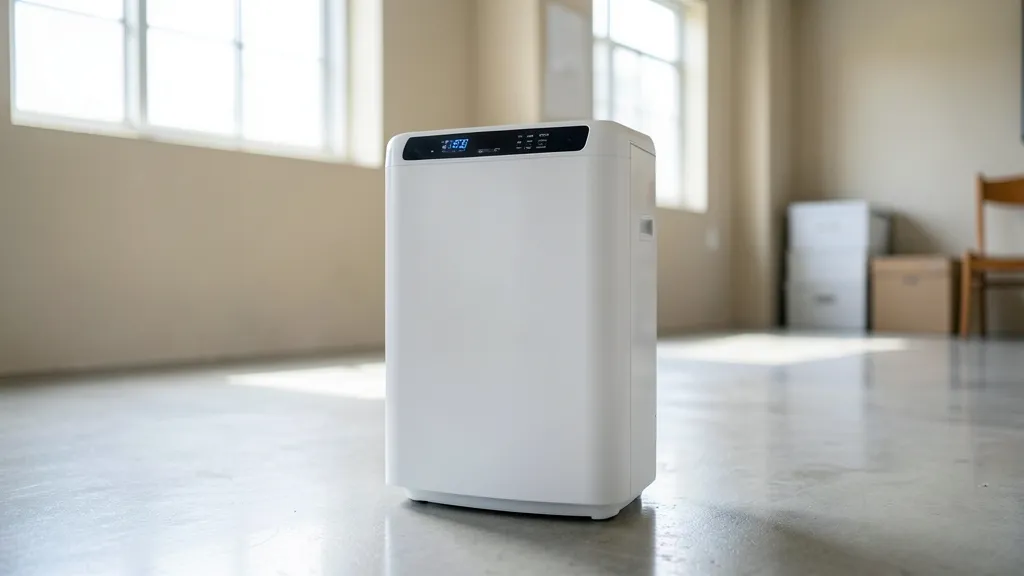
Mold returns without addressing the moisture source. We use industrial dehumidifiers and fans to dry the area completely, targeting humidity levels below 50% to inhibit regrowth.
Common local culprits include poor attic ventilation in Albany or Colonie, leaky basements in Rotterdam, or condensation from temperature swings in uninsulated crawl spaces.
Moisture Control Checklist
- Repair leaks in roofs, pipes, or windows
- Improve ventilation in attics and crawl spaces
- Use dehumidifiers in basements and bathrooms
- Grade soil away from the foundation
- Insulate cold surfaces to prevent condensation
Step 5: Post-Remediation Verification
After cleanup, we conduct a final inspection and air quality test to confirm spore levels are within safe ranges. This step ensures the remediation was successful and your home is safe for reoccupation.
For commercial properties in Schenectady or nearby Albany, we often perform additional clearance testing to meet stricter occupational health standards.
Retest after 24-48 hours if initial results are borderline, or if occupants report persistent symptoms. Seasonal humidity changes in upstate NY can sometimes mask lingering issues.
How Long Does Mold Remediation Take?
Timeline varies by the size of the infestation, the materials affected, and the drying time required. Minor cases may take 1-3 days, while severe contamination in large homes or commercial buildings can take a week or more.
In Schenectady, winter remediation projects often take longer due to slower drying in cold, damp conditions. Summer projects may move faster but require vigilant humidity control.
Preventing Mold Regrowth in Schenectady Homes
Upstate NY’s climate—cold winters, wet springs, and humid summers—creates ideal conditions for mold. Regularly inspect basements, attics, and crawl spaces for leaks or condensation, especially after heavy rains or snowmelt.
Consider professional moisture control solutions like crawl space encapsulation or basement waterproofing. For homes in flood-prone areas near the Mohawk River, sump pumps and French drains can be lifesavers.
How to Prepare Your Home for Mold Remediation
A few simple steps can help our team work efficiently and protect your belongings.
- 1Clear the Area
Remove furniture, decor, and personal items from the affected space. Porous items like upholstered furniture or mattresses may need professional cleaning or disposal.
- 2Turn Off HVAC Systems
Shut down heating, cooling, and ventilation systems to prevent spores from spreading through ductwork to other parts of the home.
- 3Seal Off the Space
Avoid entering the contaminated area. If you must pass through, use plastic sheeting to create a temporary barrier and wear an N95 mask.
- 4Protect Adjacent Rooms
Cover doorways or vents with plastic and tape to minimize cross-contamination, especially in open-concept homes.
- 5Arrange for Pets and Plants
Relocate pets, plants, and sensitive electronics to a mold-free area. Some remediation chemicals and high humidity can harm them.
Frequently Asked Questions
Is mold remediation covered by homeowners insurance in Schenectady?
Coverage depends on your policy and the cause of the mold. Most standard policies cover mold damage if it results from a covered peril, like a burst pipe. However, mold due to neglect or flooding often requires additional riders. Request a quote and consult your insurer to clarify your coverage.
Can I stay in my home during mold remediation?
For small, contained projects, you may be able to stay, but we recommend relocating for large or severe infestations—especially if occupants have respiratory issues. Containment and air filtration reduce risks, but spores can still escape during the process.
How do I know if mold is toxic?
The term 'toxic mold' is misleading—all mold can produce allergens or irritants, and some species (like Stachybotrys) produce mycotoxins under certain conditions. The only way to identify the species and assess risk is through professional mold testing and air quality analysis.
What’s the difference between mold remediation and mold removal?
Mold removal refers to eliminating visible mold, while remediation addresses the root cause—moisture—and ensures spores are contained and removed from the air and surfaces. Remediation includes cleanup, drying, and prevention to stop regrowth.
Do you offer mold remediation for commercial properties in Schenectady?
Yes, we provide commercial mold remediation for offices, schools, and industrial buildings in Schenectady, Albany, and surrounding areas. Commercial projects often require additional containment, after-hours work, and clearance testing to meet occupational safety standards.
How often should I test for mold in my Schenectady home?
Test after any water damage, flooding, or if you notice musty odors, discoloration, or health symptoms like allergies or respiratory issues. For peace of mind, consider annual air quality testing if your home has a history of moisture problems or is in a high-risk area like a basement apartment or older neighborhood.