How Containment Works in Mold Remediation for Schenectady Homes
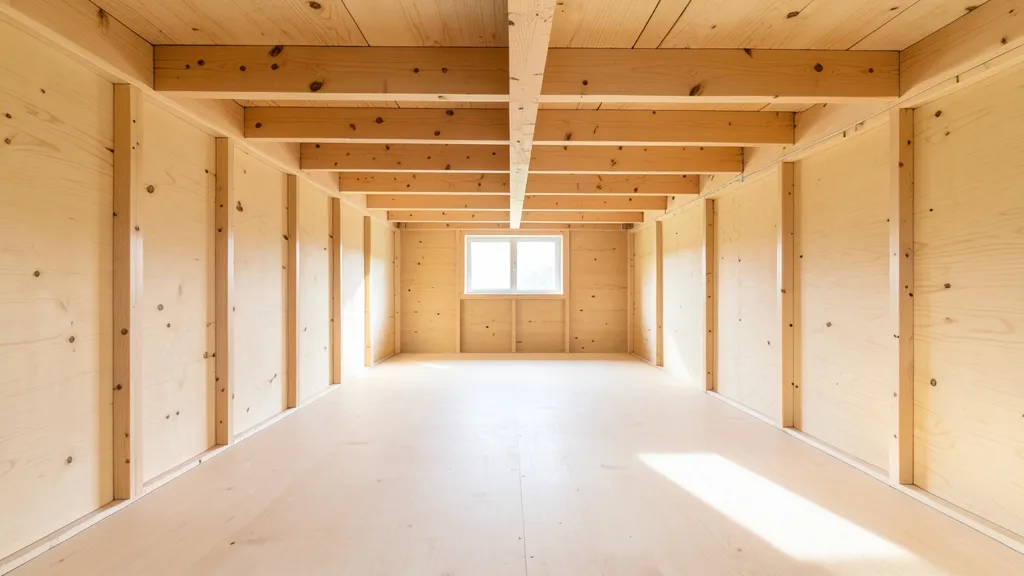
Mold doesn’t stay put. Without proper containment, spores from an infested basement in Rotterdam or a damp attic in Niskayuna can spread through HVAC systems, settling in new areas. We use engineered containment to isolate the work zone, stop cross-contamination, and keep your home and family safe during remediation.
Why Containment Is Non-Negotiable in Mold Remediation
Mold spores are microscopic and highly mobile. Disturbing a colony without containment sends spores airborne, risking new growth in clean areas of your home.
In Schenectady’s humid summers and wet springs, even a small oversight can turn a localized problem into a whole-house issue. Containment is the first line of defense.
Types of Containment We Use in Local Homes
Full containment involves sealing the entire work area with 6-mil polyethylene sheeting, creating an airtight barrier. This is standard for large or highly contaminated spaces like basements in Colonie or attics in Scotia.
Mini-containment isolates smaller areas, such as a single wall or ceiling section. It’s efficient for limited infestations but still requires negative air pressure to prevent spore escape.
Critical barriers include decontamination chambers at entry/exit points. Technicians pass through these to remove PPE and tools, ensuring no spores leave the zone.
| Method | Best For | Key Feature |
|---|---|---|
| Full Containment | Large or severe infestations (basements, attics) | Complete seal with negative air pressure |
| Mini-Containment | Small, isolated areas (bathrooms, closets) | Localized barrier with HEPA filtration |
| Decontamination Chamber | All remediation projects | Entry/exit cleanup to prevent spore transfer |
Negative Air Pressure: The Invisible Shield
Negative air pressure means the contained area has lower pressure than surrounding spaces. This ensures any air leakage flows inward, not outward, trapping spores inside the work zone.
We achieve this with high-powered air scrubbers equipped with HEPA filters. These machines pull air from the contaminated area, filter out spores, and exhaust clean air outside or through a secure duct.
If you see plastic sheeting but no air scrubbers, the containment isn’t complete. True protection requires both barriers and negative pressure.
HEPA Filtration: Catching What You Can’t See
HEPA filters capture 99.97% of particles as small as 0.3 microns—including mold spores. In containment, air scrubbers run continuously to clean the air within the sealed area.
For homes in Albany or Schenectady with central HVAC, we often integrate portable HEPA units to prevent spores from entering ductwork during remediation.
Containment Setup: Step-by-Step for Local Conditions
First, we assess the infestation’s size and location. Basements in Rotterdam often need full containment due to high humidity, while attics in Niskayuna may require mini-containment for localized growth.
Next, we seal the area with sheeting, securing it with tape and zipper doors for access. Air scrubbers are positioned to create negative pressure before any demolition or cleaning begins.
Never attempt DIY containment with household plastic. Improper sealing can worsen spore spread.
Containment for Different Areas of Your Home
Basements and crawl spaces in Schenectady often have poor ventilation, making them spore hotspots. Full containment with decontamination chambers is typical here.
Attics, especially in older homes in Scotia or Colonie, may have insulation contaminated with mold. Mini-containment with targeted HEPA filtration works well for these spaces.
Commercial properties in Albany or Schenectady require scalable containment. We use modular barriers to section off large areas without disrupting business operations.
How Long Does Containment Stay Up?
Containment remains in place until remediation is complete and post-clearance testing confirms spore levels are safe. For a standard basement job in Rotterdam, this might take 3–5 days.
Rush jobs risk incomplete spore removal. We prioritize thoroughness over speed to ensure mold doesn’t return.
Signs Your Mold Job Lacks Proper Containment
Visible dust or debris outside the work area is a red flag. Proper containment should keep all remnants of the infestation isolated.
If you smell musty odors in other parts of the house during remediation, spores may be escaping. This often happens with DIY or low-bid jobs lacking negative air pressure.
What to Look for in a Reputable Mold Remediation Team
- Uses 6-mil polyethylene sheeting for barriers
- Deploys HEPA air scrubbers for negative pressure
- Sets up decontamination chambers at entry/exit points
- Conducts post-remediation air quality testing
- Provides detailed documentation of containment protocols
How to Prepare Your Home for Professional Mold Containment
A few simple steps can help our team set up containment efficiently and effectively.
- 1Clear the Work Area
Remove furniture, storage items, and personal belongings from the infested space. This gives us unobstructed access to seal the area properly.
- 2Turn Off HVAC Systems
Shut down heating, cooling, and ventilation to prevent spores from spreading through ducts during setup.
- 3Seal Adjacent Rooms
Close doors and windows near the work zone. If possible, use temporary barriers like plastic sheeting to limit airflow between areas.
- 4Protect Sensitive Items
Cover electronics, artwork, and other valuables in nearby rooms with plastic sheeting to shield them from dust or debris.
- 5Plan for Limited Access
Expect the contained area to be off-limits until remediation is complete. Discuss access needs with our team beforehand.
Frequently Asked Questions
Does every mold job in Schenectady require containment?
Not always. Small, surface-level mold in a well-ventilated area (like a bathroom tile) may not need full containment. However, any job involving porous materials (drywall, insulation) or larger infestations in basements, attics, or crawl spaces does. We assess each case individually.
Can containment prevent mold from coming back?
Containment stops spores from spreading during remediation, but long-term prevention depends on addressing the moisture source. In Schenectady’s climate, that often means fixing leaks, improving drainage, or installing dehumidifiers in basements. We always include moisture control in our remediation plans.
Is containment safe for pets and children?
Yes, when done correctly. The containment barriers and negative air pressure are designed to protect occupants. However, we recommend keeping pets and children away from the work area and any equipment like air scrubbers for safety.
How do you know if containment is working during a mold job in my Rotterdam home?
You shouldn’t see dust or debris outside the contained area, and there should be no musty odors spreading. Our team also uses manometers to monitor negative air pressure, ensuring the system is functioning as intended.
What’s the difference between containment for mold and asbestos?
Both use barriers and negative air pressure, but asbestos containment is even more stringent due to the higher health risks. Mold containment focuses on spore control, while asbestos requires additional layers of protection and specialized disposal. We’re certified for both in New York.
Do you offer containment for commercial mold remediation in Albany or Schenectady?
Absolutely. Commercial jobs often require larger-scale containment, modular barriers, and phased remediation to minimize business disruption. We tailor our approach to offices, retail spaces, and industrial facilities, ensuring compliance with OSHA and local regulations.