Why Proper Ventilation is Key to Stopping Mold Growth in Schenectady
Mold thrives in stagnant, humid air—conditions all too common in Schenectady’s older homes and damp basements. Without proper ventilation, moisture lingers, feeding spores that can spread unseen behind walls or under flooring. We’ve seen firsthand how targeted airflow and moisture control stop infestations before they start.
How Poor Ventilation Fuels Mold in Local Homes
Schenectady’s climate—cold winters and humid summers—creates perfect storm conditions for mold. Trapped moisture from cooking, showering, or even breathing condenses on cool surfaces when air isn’t circulating.
Basements in Niskayuna and Rotterdam often lack vents or exhaust systems, letting humidity climb above 60%. That’s the threshold where mold spores on wood, drywall, or insulation begin to colonize.
The Role of Air Exchange in Mold Prevention
Air exchange dilutes indoor humidity and removes airborne spores. In tightly sealed homes, stale air recirculates, giving mold a foothold. Even small improvements—like bathroom exhaust fans—can drop humidity by 10-15%.
Attics in Scotia and Colonie are especially vulnerable. Without soffit or ridge vents, warm, moist air from living spaces rises and condenses on cold roof sheathing, soaking insulation and framing.
Mold in attics often goes unnoticed until it spreads to living areas or causes structural damage. Regular inspections catch it early.
Ventilation Solutions for Schenectady’s Problem Areas
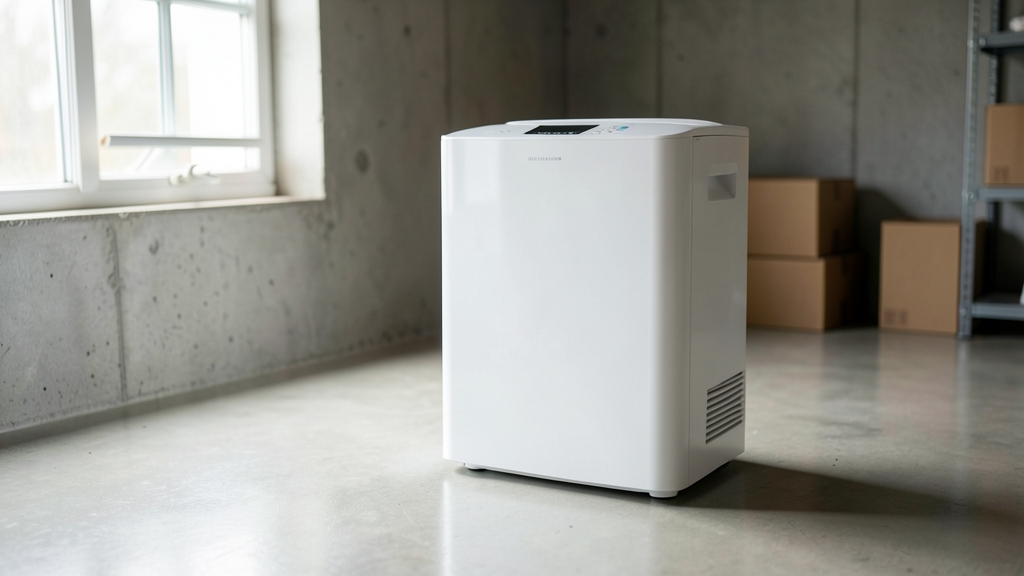
Basements and crawl spaces need active solutions. A dehumidifier paired with a vapor barrier under flooring can keep relative humidity below 50%. For finished basements, supply-and-return vents tied to the HVAC system prevent dead zones.
Kitchens and bathrooms require spot ventilation. Exhaust fans rated at 50-100 CFM (cubic feet per minute) should run for 20 minutes after use. In Albany and nearby areas, code often requires these in new builds—but older homes may lack them.
| Area | Recommended Ventilation | Target Humidity |
|---|---|---|
| Bathroom | Exhaust fan (50-100 CFM) | Below 50% |
| Kitchen | Range hood or exhaust fan | Below 50% |
| Basement | Dehumidifier + HVAC supply/return | 40-50% |
| Attic | Soffit + ridge vents or powered fans | Below 60% |
| Crawl Space | Vapor barrier + exhaust fan or dehumidifier | Below 55% |
Signs Your Home’s Ventilation Isn’t Cutting It
Musty odors are the first red flag. If you smell it in a Niskayuna ranch or a Rotterdam split-level, mold may already be active. Condensation on windows—especially in winter—means indoor humidity is too high.
Peeling paint, warped wood, or dark stains on walls and ceilings are visual clues. In attics, look for water stains on plywood or black streaks on rafters. These often follow poor airflow patterns.
Red Flags for Poor Ventilation
- Persistent musty smells, especially after rain
- Condensation on windows or mirrors
- Peeling paint or wallpaper
- Warped or discolored wood trim
- Visible mold spots on walls, ceilings, or baseboards
When Ventilation Alone Isn’t Enough
If mold is already present, ventilation fixes won’t remove existing colonies. That’s where professional mold remediation comes in. Our team uses HEPA filtration and containment to safely remove spores during cleanup.
Water damage from leaks or flooding requires immediate attention. In Colonie and Albany, we often see mold take hold within 48 hours of water intrusion. Drying out the area—then addressing the moisture source—is critical.
After water damage, run fans and dehumidifiers for at least 48-72 hours. But if mold is visible or the area smells musty, call a pro for mold testing and remediation.
Upgrading Ventilation: What Works in Schenectady Homes
Older homes in Schenectady often lack modern airflow systems. Adding a whole-house dehumidifier or upgrading bath fans can make a big difference. For basements, a dedicated mini-split system with dehumidification mode is ideal.
In attics, solar-powered vents or ridge vents improve passive airflow. For active control, a thermostatically controlled attic fan can exhaust hot, moist air before it condenses.
The Cost of Ignoring Ventilation Issues
Left unchecked, poor ventilation leads to more than mold. It can cause wood rot, damage insulation, and even compromise structural integrity. In extreme cases, we’ve seen subflooring in Scotia homes require full replacement due to long-term moisture exposure.
Health impacts are another concern. Mold spores can trigger allergies, asthma, and respiratory issues—especially in children and the elderly. Air quality testing can confirm whether your home’s air is safe.
How to Improve Ventilation to Prevent Mold
Start with these steps to reduce humidity and keep air moving.
- 1Install Exhaust Fans
Add or upgrade bathroom and kitchen exhaust fans to 50-100 CFM. Ensure they vent outside, not into attics or crawl spaces.
- 2Use a Dehumidifier
Place a dehumidifier in basements, crawl spaces, or any area prone to dampness. Empty the tank regularly or use a model with a drain hose.
- 3Seal and Insulate
Seal gaps around windows, doors, and ducts to prevent moist air from entering. Insulate cold surfaces like basement walls to reduce condensation.
- 4Add Attic Ventilation
Install soffit, ridge, or gable vents to allow passive airflow. For active ventilation, consider a solar or electric attic fan.
- 5Monitor Humidity
Use a hygrometer to track indoor humidity levels. Aim to keep it below 50%—especially in summer or during wet weather.
Frequently Asked Questions
How do I know if my Schenectady home has a mold problem from poor ventilation?
Look for musty odors, condensation on windows, or visible mold spots. Peeling paint, warped wood, or allergy-like symptoms when indoors are also warning signs. For confirmation, request a professional mold inspection and air quality testing.
Can I just open windows to improve ventilation and prevent mold?
Opening windows helps, but it’s not always enough—especially in humid Schenectady summers. Cross-ventilation is key, but mechanical solutions like exhaust fans and dehumidifiers provide consistent control. In winter, rely on indoor systems since outdoor air may be too cold.
What’s the difference between mold remediation and mold removal?
Mold removal refers to physically cleaning or discarding moldy materials. Mold remediation goes further: it includes containment, air filtration, and addressing the root moisture issue to prevent regrowth. For persistent problems, remediation is the only lasting solution.
Are dehumidifiers effective for preventing mold in basements near Albany?
Yes, but they’re most effective when paired with other measures. A dehumidifier alone won’t fix leaks or poor airflow. In basements, combine it with a vapor barrier, proper grading outside, and exhaust ventilation for best results.
How often should I check my home’s ventilation system?
Inspect visible vents, fans, and dehumidifiers every 3-6 months. Clean exhaust fan grilles and replace filters as needed. For attics and crawl spaces, schedule a professional inspection annually—especially if you’ve had past moisture issues.
Does homeowners insurance cover mold damage from poor ventilation?
Coverage varies by policy and cause. Most standard policies don’t cover mold resulting from long-term neglect or poor maintenance. However, if mold stems from a sudden, covered event like a burst pipe, some costs may be included. Always check your policy and document the source.